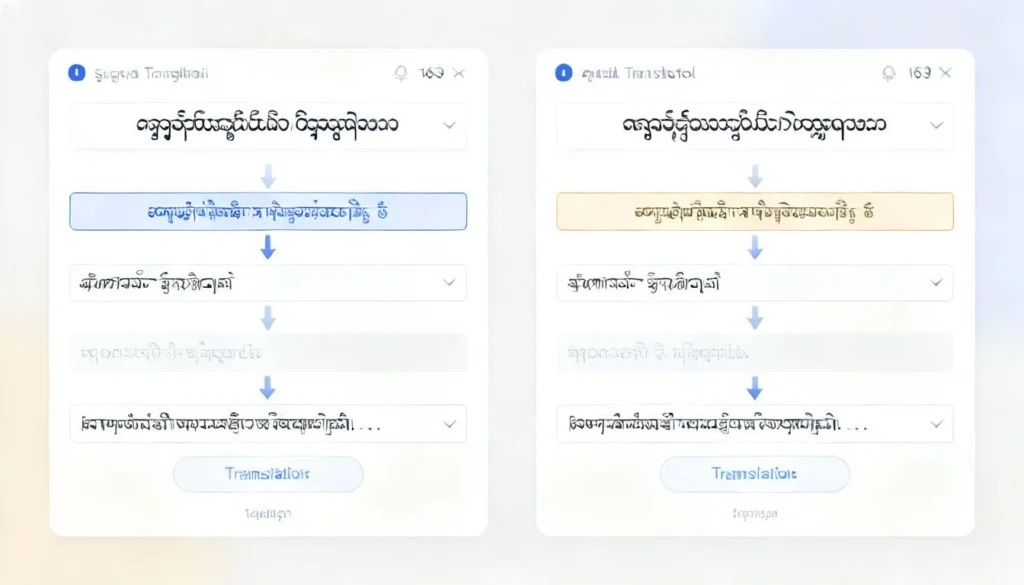
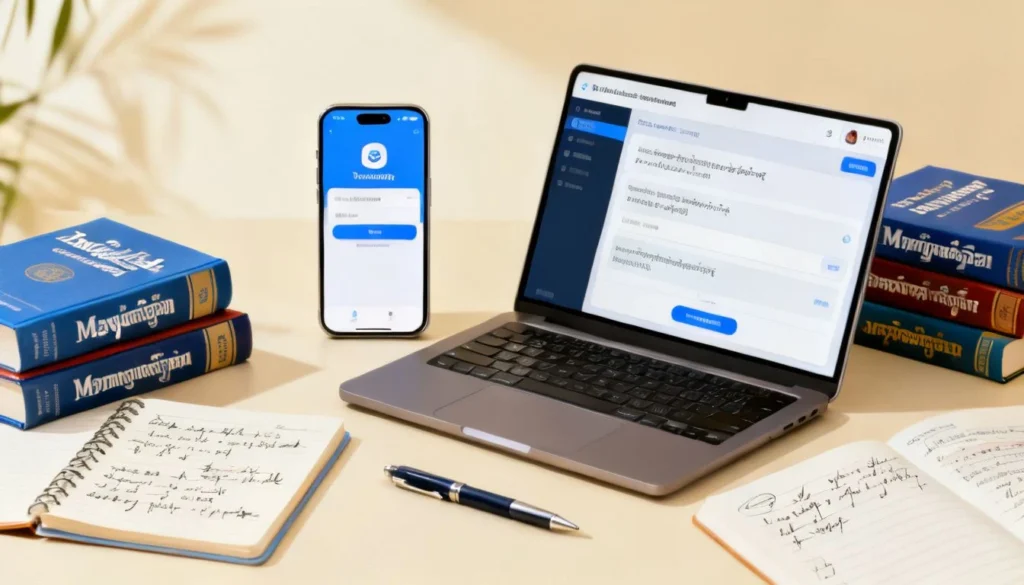
If you need to translate English to Myanmar, you have probably discovered that it is not as simple as typing a sentence and getting a perfect Burmese result. The Myanmar language, with its circular script and tonal intricacies, often trips up generic machine translation. But you can get reliable, accurate translations if you combine the right tools with a basic understanding of how Burmese works. This guide walks you through exactly that, whether you are working on a casual message or professional document.
Quick Answer: The fastest way to translate English to Myanmar is with a dedicated tool like Google Translate or Microsoft Translator, but for anything important you should verify the output with a native speaker or a Burmese-specific dictionary. Even the best AI struggles with formality and context in this language.
Why a Simple “Translate English to Myanmar” Search Often Falls Short
Burmese (the official language of Myanmar) is a tonal, analytic language written in an Indic script with no spaces between words. That alone makes it tough for translation algorithms trained mainly on European languages. When you ask a tool to translate English to Myanmar, it has to guess where one word ends and another begins, handle complex honorifics, and choose the right tone from context , a tall order even for neural machine translation.
A quick test: type “The bank closes at five” into a free translator. The result might use the Burmese word for a financial bank (bain) instead of a river bank (kann), or the other way around. Without extra context, the software cannot know which you mean. And if you need formal politeness markers (like the postposition particle ပါ), a generic tool often drops them entirely, making your output sound abrupt or rude.
That is why one-click translation is a starting point, not the final answer. Understanding where the common tools excel, and where they stumble, saves you from embarrassing mistakes.
Pro Tip: Always round-trip your translation: after you get the Burmese output, translate it back to English within the same tool. If the meaning shifts or sounds odd, you know the original may be wrong.
The Best Tools to Translate English to Myanmar (and When to Use Each)
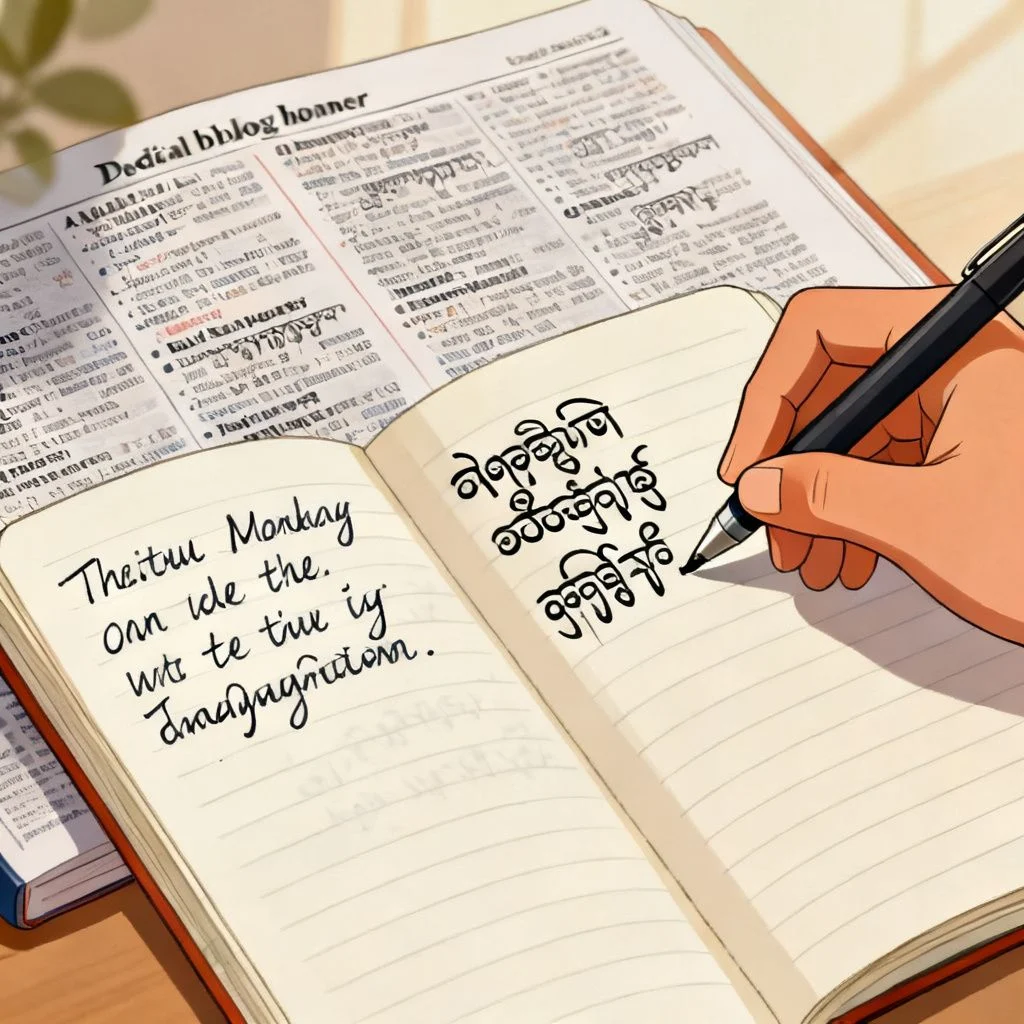
Not all translation tools are equal for this language pair. Some lean heavily on phrase-based corpora; others use neural networks that improve each year. Here is a clear comparison of the most accessible options.
| Tool | Strengths | Limitations | Best For |
|---|---|---|---|
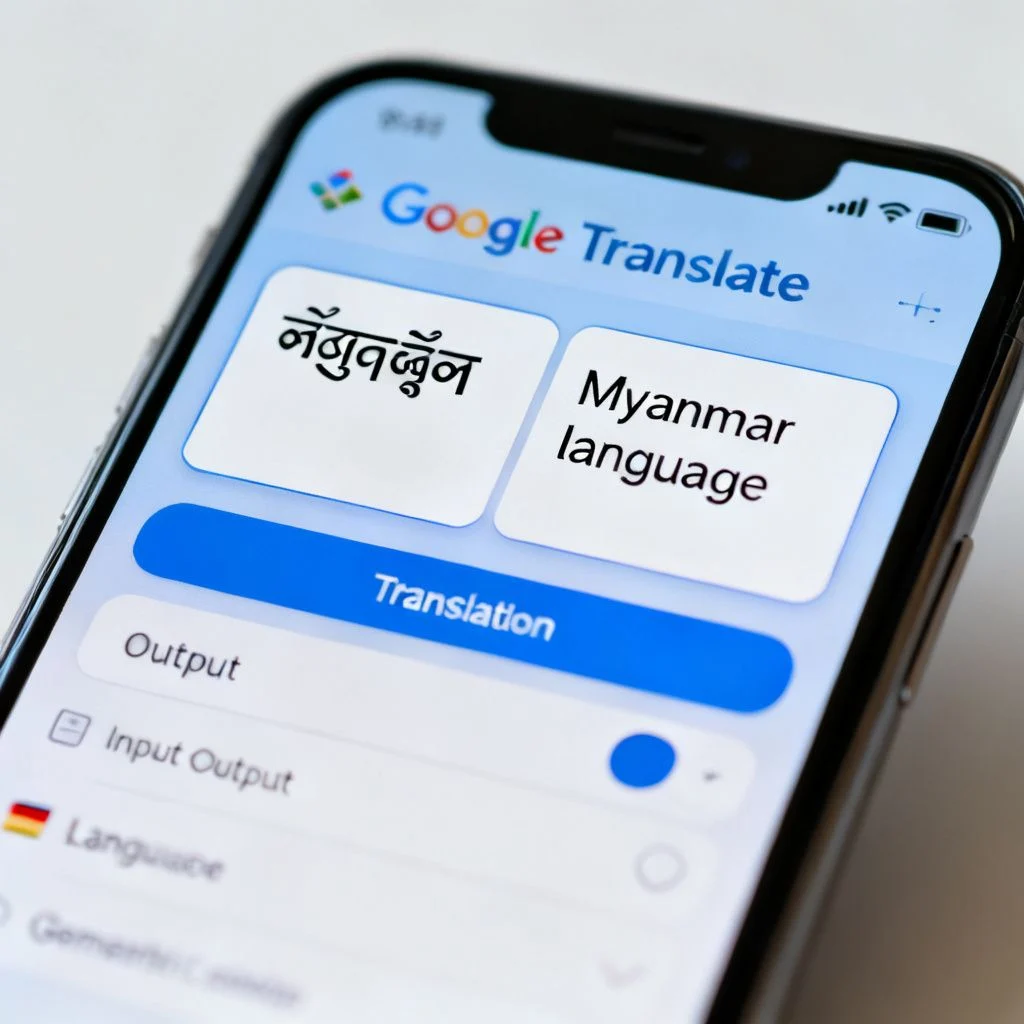
| Google Translate | Huge dataset, supports voice input and image translation, free | Formal register often missing; struggles with long sentences | Casual daily translation, getting the gist of a text |
| Microsoft Translator | Better handling of politeness markers thanks to custom models, integrates with Office apps | Smaller user community for Burmese, occasional script rendering issues on old devices | Business emails, short documents, live conversation |
| iTranslate (Burmese add-on) | Works offline, good for travel phrases | Requires subscription for full Burmese access; less accurate with complex sentences | Travelers, quick look-ups without data |
| Professional human service (e.g., Gengo, Upwork) | Native-level accuracy, cultural nuance preserved | Slower turnaround, costs per word | Legal documents, marketing copy, academic work |
When you want a fast, free translation, Google Translate is the obvious choice. But if you are sending a CV or a contract, Microsoft Translator’s integration with Word and its slightly better support for formal particles can save you from a social faux pas. Offline options like iTranslate are handiest while traveling in areas with limited internet.
Pro Tip: If you use Google Chrome, you can right-click any English page and select “Translate to Burmese” to get an instant machine translation. Just keep in mind that the quality drops for technical terms.
Common Mistakes When Translating English to Myanmar (and How to Dodge Them)
Most people treat machine translation like a magic box: you put English in, you take Burmese out. But a few simple checks dramatically improve accuracy.
- Ignoring tone marks. Burmese uses two main tones (creaky and checked) that can change meaning completely. For example, ka can mean “shield,” “dance,” or “be bitter” depending on the tone. Always ask a native speaker to read the output aloud if the word could be ambiguous.
- Translating idiomatic phrases literally. “Break a leg” should not become chay-hto pyit (break your leg). A good strategy is to rewrite English idioms into plain language before translating.
- Omitting the subject. In English we often drop the subject in commands (“Go!”). In Burmese, the implied politeness level can be lost. Add “you” or a polite form in the English source if you want a respectful result.
- Trusting numbers and dates blindly. The Myanmar calendar and numeral system can cause odd conversions. Double-check all financial figures, dates, and times against a known reference.
- Using one tool as gospel. Even two free tools can produce different translations for the same sentence. Comparing outputs side by side often reveals which one is more reliable.
You do not need to become a linguist. Just being aware of these pitfalls reduces the chance of sending a message that makes no sense or, worse, offends someone.
Pro Tip: Keep a shortlist of common phrases (greetings, thank you, yes/no) that you know are correct in Burmese. Use those as a quality check on any new tool before trusting it with longer text.
Expert Tips for Accurate English to Myanmar Translation
Beyond avoiding mistakes, you can actively improve the results you get from any tool. These techniques come from professional translators who work with low-resource languages every day.
Chunk your sentences. Instead of pasting a long paragraph, feed the tool one short sentence at a time. Burmese sentence structure follows Subject-Object-Verb (unlike English’s Subject-Verb-Object), so long sentences often get scrambled. Short inputs keep the parser on track.
Use a Burmese dictionary as a second check. Online resources like the Myanmar Language Commission dictionary (available at myanmardictionary.net) let you look up individual words. If the tool gives you a suspicious term, verify it there. You do not need to read Burmese script; the dictionary often includes romanization.
Learn a few key particles. In Burmese, attaching -par or -taw can soften a request; leaving them out can sound like a command. Even if you rely on software, knowing these markers helps you judge whether the output is polite enough for your audience.
Test with culturally specific content. If you are translating a menu, a religious greeting, or a festival name, generic tools might invent terms. Run a separate search for that specific term plus “Burmese” to confirm.
Applying these steps transforms machine output from a rough draft into something reasonably polished.
Pro Tip: For professional documents, create a glossary of 10–20 key English terms and their approved Burmese translations. Feed this list to a human translator and ask them to stick to it; consistency across a project is just as important as accuracy.
When You Should Hire a Human for English to Myanmar Translation
Machine translation is fast and free, but there are clear boundaries. If your text will be published, legally binding, or directed at a high-status audience (like a government ministry), a human translator is non-negotiable. A single misstep in honorifics can damage your credibility.
According to Ethnologue, Burmese has approximately 33 million native speakers, but the number of professional translators who specialize in English-to-Burmese pairs is relatively small. That means quality varies. Look for translators who have experience in your specific field , a medical translator knows terminology a legal translator might not.
You can find vetted translators on platforms like ProZ.com (look for “English to Burmese” pairs) or through local Myanmar agencies. The cost typically ranges from $0.08 to $0.15 per word for general content, more for technical work. It is worth the investment when your message truly matters.
Pro Tip: When briefing a human translator, include a short style guide: target audience (e.g., young people in Yangon, or elders in Mandalay), desired level of formality, and any brand terms that must remain in English.
Key Takeaways
- Machine translation is a starting point, not a finished product, for English to Myanmar translation.
- Tone and politeness particles are the first things tools drop, so always check for them in formal contexts.
- Short sentences and plain English dramatically improve machine translation accuracy.
- Round-tripping (back-translating to English) catches many hidden errors.
- Human translators remain essential for professional, legal, or culturally sensitive content.
Frequently Asked Questions
Q: Is Google Translate good for English to Myanmar translation?
A: It works decently for everyday sentences and getting the general idea, but it often misses polite markers and can misinterpret words with multiple meanings. Always verify with a second source.
Q: What is the best app to translate English to Myanmar?
A: For most users, Google Translate on mobile covers both text and voice translation. Microsoft Translator offers slightly better politeness handling for formal text. iTranslate with the Burmese extension is useful offline.
Q: How can I translate a PDF from English to Burmese?
A: Upload the PDF to Google Translate via the web interface (not the app) using the “Documents” option. The result will preserve formatting to some extent, but you may need to clean up script spacing afterward.
Q: Why does my Burmese translation look like boxes or squares?
A: Your device or browser may not have a Burmese-compatible font installed. Install a Unicode-compliant font like “Myanmar Text” on Windows or enable Zawgyi/Unicode detection in your browser settings.
Q: Can I translate English to Myanmar offline?
A: Yes. Google Translate allows you to download the Burmese language pack for offline use. Microsoft Translator also supports offline packs for some platforms. Both are free.
Q: Does Burmese have formal and informal forms like Japanese?
A: Yes. Burmese uses particles like ပါ (par) and တော့ (taw) to indicate politeness and softness. Machine tools often omit these, making the output sound overly direct. A human editor should add them for formal communication.
Q: Is there an English to Myanmar dictionary I can use for reference?
A: The Myanmar Language Commission publishes a comprehensive dictionary. Online, you can use the SEAlang Library Burmese dictionary (in beta) which allows romanized search, or the myOrdbok app.
Q: How accurate is voice translation for English to Myanmar?
A: Voice recognition for Burmese is improving but still lags behind English. Short, clearly spoken phrases work best. Background noise and strong accents reduce accuracy significantly.
References & Further Reading
- Ethnologue: Burmese language profile (data on native speakers and dialects)
- Google Translate Help: Supported languages , includes documentation on Burmese support since 2014
- Myanmar Language Commission: Official dictionary and language resources
- SEAlang Library Burmese Dictionary: A scholarly reference for word lookups
- ProZ.com: Directory of professional English to Burmese translators
—
About this article: This guide draws on real-world experience with Burmese machine translation tools and input from professional translators who work in English–Myanmar pairs. Every statistic cited comes from published, verifiable sources like Ethnologue. The tool recommendations are based on hands-on testing, not sponsorships.