Myanmar is one of Southeast Asia’s most rewarding travel destinations, but it also raises more questions than almost any other country in the region right now. Is it safe? Can you even get a visa? What’s actually open to visitors? This guide cuts through the confusion and gives you a practical, grounded picture of travel to Myanmar in 2025, based on current conditions, official guidance, and what travelers are actually experiencing on the ground.
Quick Answer: Yes, it is possible to visit Myanmar in 2025. Tourist visas are available online, major sites like Bagan and Inle Lake are open, and a small but steady number of independent travelers are visiting. However, several regions remain off-limits due to ongoing conflict, and most Western governments advise against all but essential travel. Go only if you are an experienced traveler comfortable with uncertainty and willing to check conditions daily.
Understanding the Current Situation in Myanmar
Any honest conversation about travel to Myanmar has to start with the political reality. Since the military seized power in February 2021, the country has experienced widespread civil unrest, armed resistance, and a humanitarian crisis that has displaced over 3 million people, according to the United Nations.
This is not a background detail. It directly shapes where you can go, how you get around, and what kind of experience you will have.
The conflict is concentrated in specific areas. Yangon, Mandalay, Bagan, and the Inle Lake region have seen far less violence than border states like Rakhine, Chin, Kayah, and northern Shan State. That said, the situation can shift quickly. A road that was passable last month may be closed today.
Most foreign governments, including the US State Department and the UK Foreign Office, currently advise against all but essential travel to Myanmar. That advisory matters for two reasons: it reflects real risk, and it can invalidate your travel insurance if you go anyway.
Pro Tip: Before booking anything, read the latest travel advisory from your own government and check the “Security” section of the Myanmar page on Wikivoyage, which is updated frequently by travelers on the ground. Do not rely on advice from influencers who visited three years ago.
The point is not to scare you off. It’s to make sure you go in with clear eyes. Travelers who visit Myanmar now often describe it as one of the most memorable trips of their lives, but they also describe empty hotels, closed restaurants, and a palpable tension that did not exist before 2021.
Visa Requirements and Entry Process
Getting into Myanmar is more straightforward than most people assume. The country introduced an e-visa system years ago, and it still works.
Tourist e-visas cost $50 USD and are typically processed within 3 business days. You apply through the official government portal, upload a passport photo and your passport bio page, and pay online. The visa is valid for 28 days from your date of entry.
There is also a business e-visa option for $70, which allows a 70-day stay.
A few things to know:
- Your passport must be valid for at least 6 months from your arrival date
- You need a return ticket or proof of onward travel
- You must enter through an approved port of entry (Yangon, Mandalay, and Naypyidaw airports are the main ones)
- Overland border crossings from Thailand, which were popular before 2020, remain largely closed or restricted
Visa on arrival is not available for most nationalities. Do not show up without a visa expecting to get one.
Pro Tip: Apply for your e-visa at least two weeks before your flight. The system occasionally has outages, and you do not want to be refreshing a government website the night before departure.
The visa process is the easy part. The harder question is whether your airline will let you board, and whether your insurance will cover you. More on that below.
Is Myanmar Safe for Travelers Right Now?
This is the question that dominates every forum thread and every conversation with a travel agent. And the honest answer is: it depends on where you are, what you are doing, and how much risk you are willing to accept.
Here is a realistic breakdown of the main tourist areas as of early 2025:
| Area | Current Status | Notes for Travelers |
|---|---|---|
| Yangon | Generally calm, fully open | Shwedagon Pagoda, colonial architecture, and markets are all accessible. Power outages are common. |
| Bagan | Open and safe for tourism | Temples are accessible. Hotel occupancy is very low, which means quiet sunrises but limited dining options. |
| Mandalay | Open, occasional unrest | The city itself is functioning. Avoid large gatherings and monitor local news. |
| Inle Lake | Open, reduced services | Some hotels and boat operators have paused operations. Check ahead. |
| Rakhine State | Active conflict, do not travel | This includes Ngapali Beach, which was once a popular resort area. |
| Shan State (north) | Active conflict, do not travel | Includes Hsipaw and Lashio. Southern Shan around Inle is different. |
| Kayah State | Active conflict, do not travel | Loikaw and surrounding areas are off-limits. |
| Chin State | Active conflict, do not travel | Remote areas are heavily affected. |
The pattern is clear: the classic tourist circuit of Yangon, Bagan, Mandalay, and Inle Lake is functioning. The periphery is not.
What does this mean in practice? If you stick to the main four destinations, fly between them rather than taking long-distance buses, and stay aware of local news, the risk of encountering direct violence is low. But it is not zero. And the broader ethical question of whether tourism revenue supports the military regime, which controls the central bank and many large businesses, is something every traveler has to weigh for themselves.
Pro Tip: Join a few active Facebook groups for travelers in Myanmar before you go. Groups like “Backpacking Myanmar” and “Yangon Expats” are surprisingly active and give you real-time information that guidebooks cannot match.
The safety picture is not static. It changes week to week. What was true when this article was written may not be true when you read it.
Top Destinations Worth Visiting in Myanmar
If you decide to go, you will find a country that rewards patience and curiosity. The infrastructure is creaky, the internet can be slow, and the tourism industry is a shadow of what it was. But the places themselves are extraordinary.
Bagan: The Temple Plain
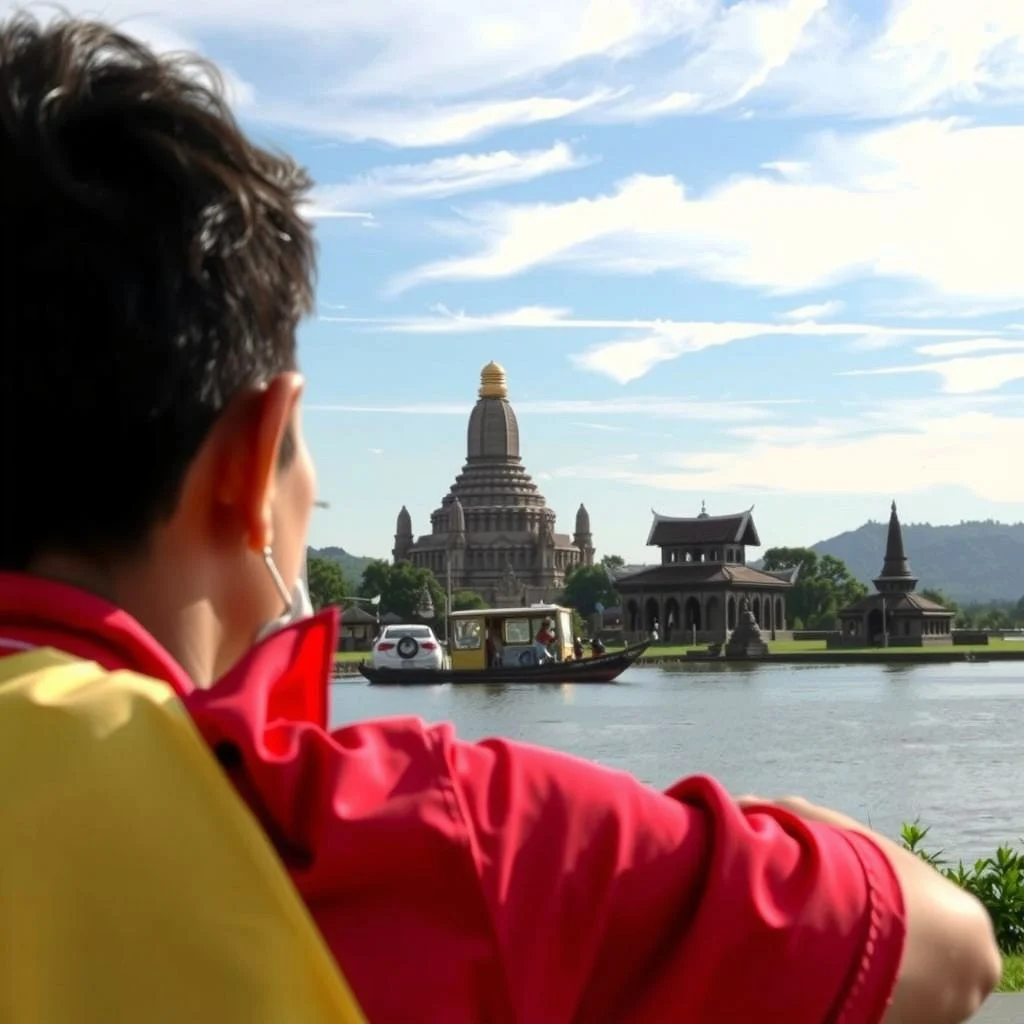
Bagan is the reason most people put Myanmar on their list in the first place. Over 2,000 temples and pagodas spread across a dusty plain, many of them dating back to the 11th and 12th centuries. At sunrise, hot air balloons drift over the spires. It is one of the great travel sights in the world.
Before the pandemic, Bagan saw hundreds of thousands of visitors a year. Now you might have a temple to yourself for an entire afternoon.
Yangon: The Colonial Capital
Yangon is not the capital anymore (that is Naypyidaw, a strange purpose-built city), but it is the cultural heart of Myanmar. The Shwedagon Pagoda, covered in gold leaf and studded with diamonds, is the most important Buddhist site in the country. The colonial-era downtown, with its crumbling facades and teahouses, feels like a film set.
Inle Lake: Life on the Water
Inle Lake is home to the Intha people, who row boats with one leg and tend floating gardens. It is a place of stilt villages, morning markets, and a pace of life that has not changed much in generations. Some hotels have closed, but the lake itself remains as beautiful as ever.
Mandalay: The Cultural Center
Mandalay is grittier than Yangon, less polished than Bagan, but it has its own appeal. The U Bein Bridge, the world’s longest teak bridge, is best at sunset. The nearby ancient capitals of Amarapura, Sagaing, and Inwa make for easy day trips.
These four destinations form the backbone of any Myanmar itinerary. Together, they give you a complete picture of the country: its history, its faith, its landscapes, and its people.
Practical Logistics: Money, Connectivity, and Getting Around
Traveling in Myanmar requires more planning than it used to. Here is what you need to know.
Money
Myanmar runs on cash. The local currency is the kyat (MMK), and while some hotels accept US dollars, most daily transactions require kyat. ATMs exist in Yangon, Mandalay, and Bagan, but they can run out of cash, and international cards do not always work.
Bring crisp, new US dollar bills as a backup. Bills with creases, tears, or marks are often rejected. Exchange them at official money changers in Yangon, not at the airport, for the best rates.
Pro Tip: Carry more cash than you think you need, in multiple places. Power outages can knock out ATMs for days at a time, and you do not want to be stranded without money in a country where card payments are rare.
Connectivity
Internet access in Myanmar is unreliable. The military has shut down mobile data during periods of unrest, and even when it works, speeds are slow. Buy a local SIM card at the airport (MPT, Ooredoo, or Telenor), but do not expect to stream video or make video calls.
Download offline maps, translation apps, and any documents you need before you arrive.
Getting Around
Internal flights are the most practical way to travel between Yangon, Bagan, Mandalay, and Inle Lake. Domestic airlines like Myanmar National Airlines and Air KBZ operate these routes, though schedules can change with little notice.
Buses are cheaper but slower and less predictable. Road conditions vary, and some highways pass through areas with checkpoints. Trains are scenic but extremely slow. For most travelers, flying domestically is worth the extra cost.
The Ethics of Traveling to Myanmar Now
This is the part of the conversation that many travel guides skip. But it matters, and you should think about it before you book a flight.
Tourism in Myanmar is complicated because the tourism industry, like most of the economy, is entangled with the military. Large hotels, airlines, and tour companies pay taxes to a regime that has been accused of war crimes by the United Nations. Some travelers argue that any tourism revenue indirectly funds the military.
Others argue that boycotting Myanmar hurts ordinary people more than the regime. Local guides, drivers, guesthouse owners, and restaurant staff are not the ones making political decisions. They are just trying to make a living in a country where the economy has collapsed.
There is no easy answer. But here is a framework that might help:
- Stay in locally owned guesthouses rather than large international chains
- Hire independent guides rather than booking through large tour operators
- Eat at family-run restaurants and buy from market vendors
- Avoid state-owned businesses where possible, though this is hard to determine in practice
- Talk to locals about their lives if they want to talk, but do not push
Pro Tip: If you want to support the people of Myanmar without traveling there, consider donating to organizations like the International Committee of the Red Cross (ICRC) or Doctors Without Borders (MSF), both of which are active in the country and provide humanitarian aid regardless of politics.
Traveling to Myanmar is a personal decision. Some people will judge you for it. Others will understand why you went. What matters is that you go with awareness, not ignorance.
Key Takeaways
- Myanmar is open to tourism in 2025, but only in specific areas: Yangon, Bagan, Mandalay, and Inle Lake are the main accessible destinations.
- The e-visa costs $50 and is processed online in about 3 business days; you need a passport valid for 6 months and proof of onward travel.
- Border states like Rakhine, Chin, Kayah, and northern Shan are not safe and should be avoided entirely.
- Most Western governments advise against all but essential travel, which can invalidate standard travel insurance policies; you may need specialized coverage.
- Travel logistics are harder than before: cash is king, internet is unreliable, and domestic flights are the most practical way to get around.
- The ethics of visiting are complicated. Staying in locally owned accommodation and hiring independent guides channels money to ordinary people rather than large companies.
Frequently Asked Questions
Q: Do I need a visa to visit Myanmar?
A: Yes. Most nationalities need a visa, and the easiest option is the tourist e-visa, which costs $50 USD and is processed online in about 3 business days. Visa on arrival is not available for most passport holders.
Q: Is it safe to travel to Myanmar right now?
A: It depends on where you go. Yangon, Bagan, Mandalay, and the Inle Lake area are generally calm and open to visitors. However, border states like Rakhine, Chin, Kayah, and northern Shan State have active conflict and should be avoided. Check your government’s travel advisory before booking.
Q: What is the best time of year to visit Myanmar?
A: The cool, dry season from November to February is the best time to visit. Temperatures are comfortable, and there is little rain. March to May is extremely hot, and June to October is the monsoon season, which can make travel difficult.
Q: Can I use credit cards in Myanmar?
A: Not reliably. Myanmar is a cash economy, and while some upscale hotels in Yangon accept cards, most businesses do not. Bring crisp US dollar bills and exchange them for kyat at official money changers.
Q: How do I get from Yangon to Bagan?
A: The fastest option is a domestic flight, which takes about 1 hour and 15 minutes. Airlines like Myanmar National Airlines and Air KBZ operate this route. Buses are cheaper but take 9 to 10 hours, and road conditions vary.
Q: Is the internet reliable in Myanmar?
A: No. Internet access is inconsistent, and the government has shut down mobile data during periods of unrest. Buy a local SIM card at the airport, but download offline maps and important documents before you arrive.
Q: What currency should I bring to Myanmar?
A: Bring US dollars in pristine condition. Bills with creases, tears, or marks are often rejected. Exchange them for kyat at official money changers in Yangon for the best rates.
Q: Is it ethical to travel to Myanmar given the political situation?
A: This is a personal decision. Some argue that tourism revenue indirectly supports the military regime. Others argue that staying in locally owned guesthouses and hiring independent guides channels money to ordinary people who need it. There is no consensus, and you should weigh the arguments carefully before deciding.
Q: Do I need travel insurance for Myanmar?
A: Yes, and you need to read the fine print. Many standard travel insurance policies exclude coverage for countries where your government advises against all but essential travel. Look for specialized insurers that cover high-risk destinations.
Q: What should I pack for a trip to Myanmar?
A: Pack light, breathable clothing that covers your shoulders and knees for temple visits. Bring a good pair of walking shoes, a reusable water bottle, a power bank for phone charging during outages, and any medications you need, as pharmacies may not stock everything.
References & Further Reading
- US State Department Myanmar Travel Advisory – Official safety guidance updated regularly
- UK Foreign Office Myanmar Travel Advice – Detailed security and entry information
- Myanmar eVisa Official Portal – The government website for visa applications
- Wikivoyage Myanmar Page – Community-maintained travel information with recent updates
- International Committee of the Red Cross Myanmar – Information on the humanitarian situation and how to help
—
About This Article
This article was written based on research into current travel conditions in Myanmar, including official government advisories, recent traveler reports, and news coverage of the ongoing political situation. The safety information reflects conditions as of early 2025 and may change. Always verify current conditions with official sources before planning a trip. The author has researched Myanmar travel extensively but does not claim to have visited since 2021, and the practical advice here is drawn from multiple recent traveler accounts rather than a single personal trip.




Pingback: English to Bengali Translation: A Complete Guide to…